By Odion Abigail
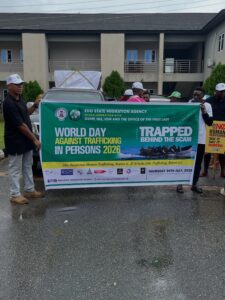
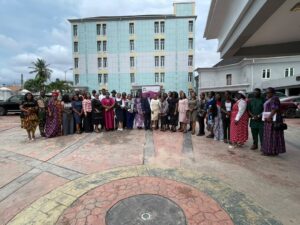
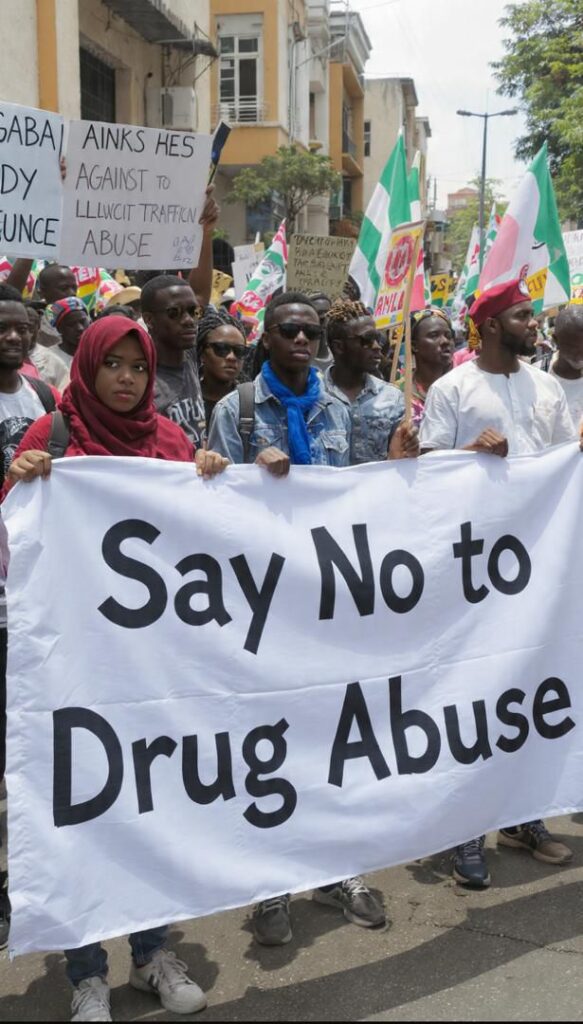
Every year on 26th June, the world observes the International Day Against Drug Abuse and Illicit Trafficking. This important day serves as a global reminder of the dangers associated with drug abuse and the devastating impact of illicit drug trafficking on individuals, families, and communities.
Drug abuse and illicit trafficking remain major global challenges that affect the health, safety, and development of communities worldwide. The consequences of drug abuse extend far beyond the individual. It disrupts families, weakens communities, hinders educational and economic opportunities, and places immense pressure on healthcare and social support systems. Meanwhile, illicit drug trafficking fuels criminal activities, threatens public safety, and undermines sustainable development.
The Effects of Drug Abuse Include:
- Physical Health Problems: Increased risk of heart disease, liver damage, respiratory illnesses, weakened immunity, and other serious medical conditions.
- Mental Health Disorders: Anxiety, depression, paranoia, hallucinations, mood swings, and other psychological challenges.
- Addiction and Dependence: Loss of control over substance use, leading to physical and psychological dependence.
- Poor Academic Performance: Reduced concentration, declining grades, absenteeism, and increased dropout rates among students.
- Decreased Workplace Productivity: Poor performance, loss of motivation, frequent absenteeism, and unemployment.
The Threat of Illicit Drug Trafficking
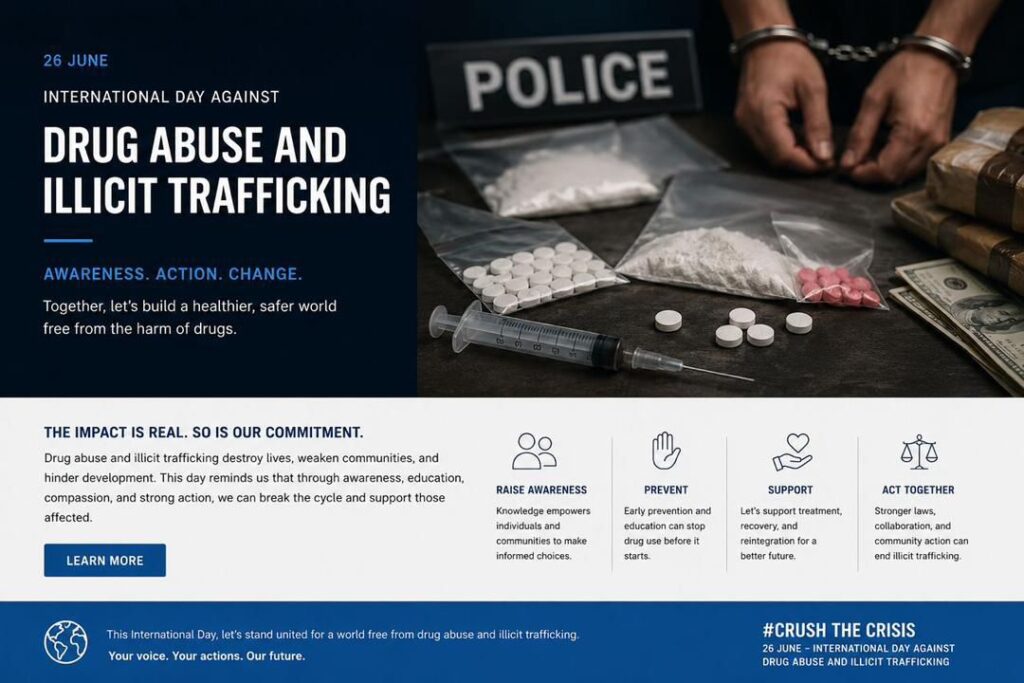
Illicit drug trafficking remains one of the most significant challenges to global peace, security, and development. Criminal networks involved in the illegal cultivation, production, transportation, and sale of drugs generate enormous profits while fueling violence, corruption, organized crime, and insecurity.
The impact of illicit drug trafficking extends beyond national borders, undermining governance, weakening institutions, and threatening economic progress. Communities affected by drug trafficking often experience increased crime rates, social instability, and reduced opportunities for sustainable development.
The Impact of Illicit Drug Trafficking
Illicit drug trafficking fuels organized crime, violence, corruption, and insecurity. Criminal networks profit from the illegal production and distribution of drugs, putting countless lives at risk. Combating drug trafficking requires cooperation between governments, law enforcement agencies, communities, and individuals.
Join the Fight Against Drugs
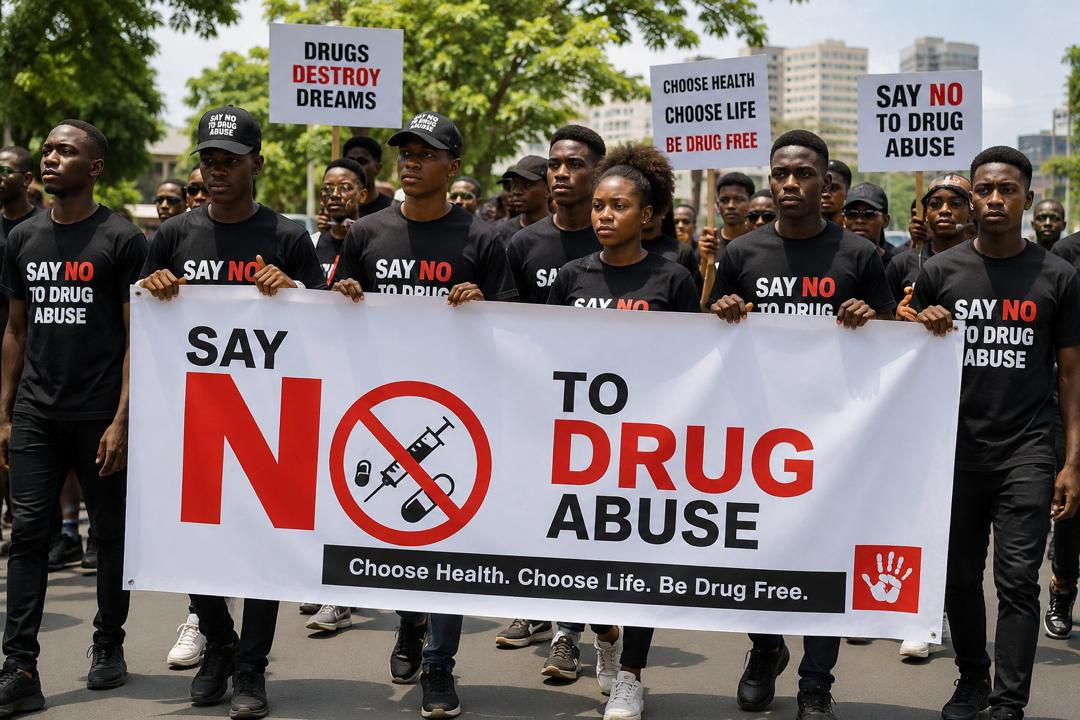
On this International Day Against Drug Abuse and Illicit Trafficking, let us renew our commitment to creating a society where everyone can live healthy, productive, and fulfilling lives free from the influence of drugs.
Key Messages
Say no to drug abuse.
Support those struggling with addiction.
Promote awareness and prevention.
Report illegal drug activities.
Encourage healthy lifestyles and positive choices.
Conclusion
Drug abuse and illicit trafficking continue to pose significant threats to public health, safety, and sustainable development. Their impact extends beyond individuals, affecting families, communities, and entire nations. Addressing these challenges requires a united effort focused on prevention, education, rehabilitation, and law enforcement.
By raising awareness, promoting healthy lifestyles, supporting recovery initiatives, and strengthening community engagement, we can reduce the harmful effects of substance abuse and create safer environments for all. Together, through collective responsibility and sustained action, we can build stronger communities, protect future generations, and work towards a society free from the devastating consequences of drugs.