By Odion Abigail
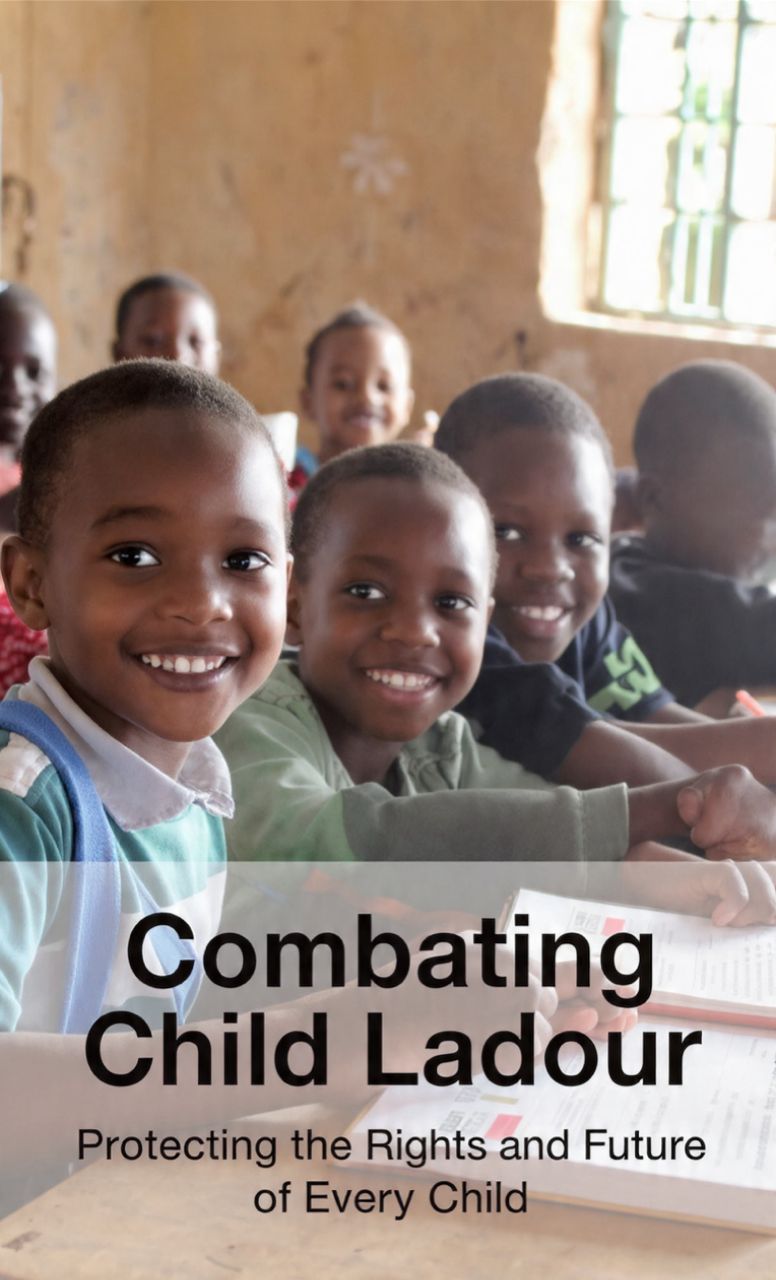
Child labour remains one of the most pressing challenges affecting children across the world. It deprives children of their childhood, education, health, dignity, and opportunities for a brighter future.
Every child deserves to grow in a safe and supportive environment where they can learn, play, and develop their full potential without being forced into labour.
According to the International Labour Organization (ILO), millions of children worldwide are engaged in child labour, with many working in hazardous conditions that threaten their health, safety, and overall development. In Nigeria and many developing countries, factors such as poverty, lack of access to quality education, weak social protection systems, parental neglect, and inadequate enforcement of child protection laws continue to fuel child labour.
While several international and national laws exist to protect children from labour exploitation, sustained action is needed from governments, communities, organizations, and families to ensure that every child enjoys a safe and fulfilling childhood.
Protecting Children from Child Labour
Education as a Pathway to Freedom
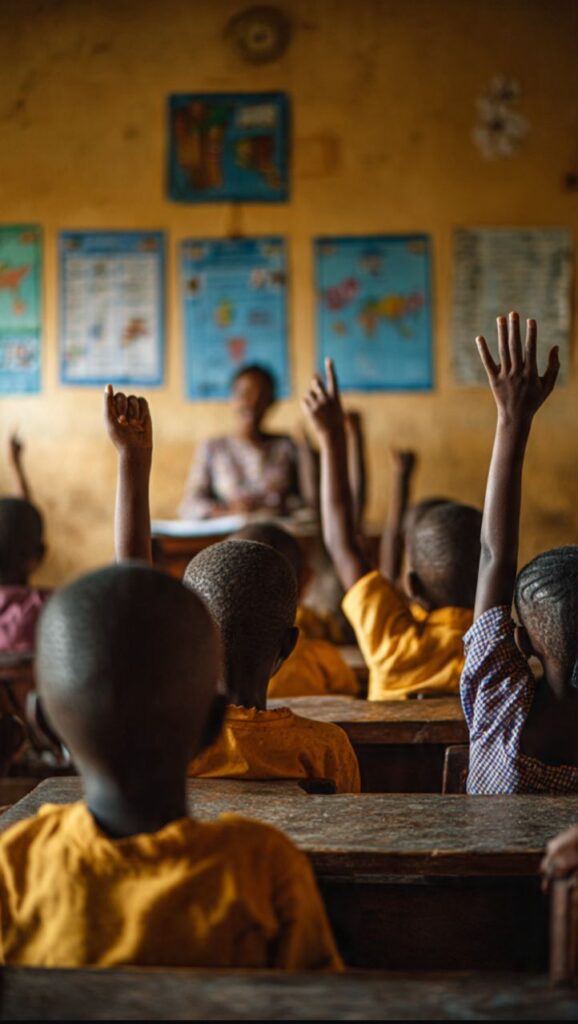
Education remains one of the most effective tools for preventing child labour. When children have access to quality education, they acquire the knowledge, skills, and opportunities needed to break the cycle of poverty and exploitation. Investing in education empowers children and prepares them for productive futures.
Love, Care, and Family Support
Children who receive love, care, and emotional support from their families are more likely to thrive and less likely to be exposed to harmful labour practices. Strong family relationships provide children with security, guidance, and a sense of belonging.
Protection of Child Rights
Every child has the right to protection from exploitation, abuse, neglect, and hazardous work. Governments, schools, communities, and families must work together to ensure that children’s rights are respected and safeguarded at all times.
Health and Well-being
Child labour often exposes children to physical, emotional, and psychological harm. Children need access to adequate healthcare, nutrition, rest, recreation, and a safe environment to support their healthy growth and development.
Community Responsibility
Communities play a critical role in identifying and preventing child labour. Through awareness campaigns, support for vulnerable families, and community-based child protection mechanisms, communities can help keep children in school and away from exploitative work environments.
Values and Guidance
Instilling values such as responsibility, respect, self-worth, perseverance, and integrity helps children develop confidence and make positive life choices. Guidance from parents, teachers, mentors, and community leaders is essential in shaping a child’s future.
Child Protection Laws and Legal Frameworks
Several international and national legal frameworks exist to protect children from labour exploitation and abuse.
Universal Declaration of Human Rights (UDHR)
The Universal Declaration of Human Rights recognizes that every individual, including children, is entitled to dignity, freedom, education, protection, and equal opportunities.
Child Rights Act 2003 (Nigeria)
The Child Rights Act provides comprehensive protection for children and outlines provisions aimed at preventing exploitation, abuse, neglect, and harmful labour practices.
Trafficking in Persons (Prohibition) Enforcement and Administration Act
This law addresses human trafficking, including the trafficking of children for forced labour, domestic servitude, sexual exploitation, and other forms of abuse. It provides legal penalties for offenders while ensuring protection and support for victims.
Key Legal Protections Under the Child Rights Act 2003
Prohibition of Exploitative Labour
Section 28 of the Child Rights Act prohibits the employment of children in any form of exploitative labour. It also restricts the engagement of children as domestic workers outside their immediate family environment where such work may interfere with their education, health, or development.
Restrictions on Industrial Employment
Children are prohibited from employment in industrial establishments and undertakings. Exceptions apply only to approved technical or vocational training programmes designed to support education and skill development under proper supervision.
Protection from Hazardous Work
The Act strictly prohibits children from engaging in hazardous work that may endanger their physical, mental, emotional, or moral well-being. This includes tasks involving dangerous machinery, heavy lifting, or unsafe working conditions.
Penalties for Violators
Individuals found guilty of subjecting children to exploitative labour may face fines, imprisonment, or both, as stipulated under the Child Rights Act. More severe penalties apply to offences involving child trafficking, forced begging, prostitution, and other forms of exploitation.
Why These Laws Matter
These legal frameworks exist to ensure that children are protected from exploitation, abuse, neglect, trafficking, and hazardous labour. They uphold children’s rights to education, health, safety, dignity, and development.
However, laws alone are not enough. Effective enforcement, community awareness, family support, and collective action are essential to creating a society where every child can enjoy a safe and fulfilling childhood.
The Role of Genius Hub Global Initiative
At Genius Hub Global Initiative, we believe that every child deserves the opportunity to learn, dream, and achieve their full potential. Through advocacy, awareness creation, community engagement, youth empowerment, and child protection initiatives, we remain committed to promoting the rights and well-being of children and vulnerable groups.
Conclusion
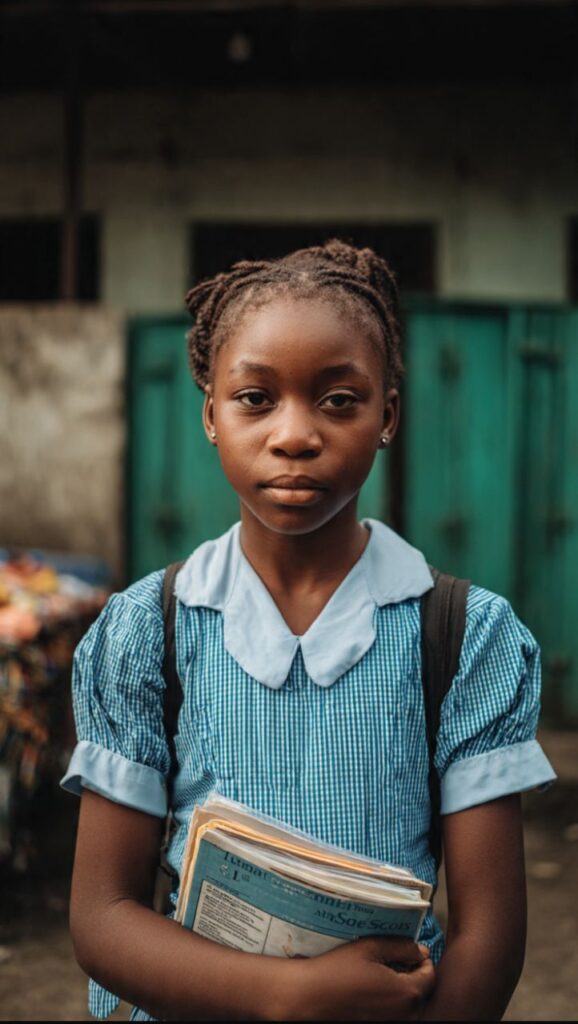
Child labour robs children of their dreams, education, and opportunities. Protecting children from labour exploitation is a shared responsibility that requires the commitment of families, communities, organizations, and governments.
By investing in education, strengthening child protection systems, supporting vulnerable families, and enforcing existing laws, we can build a future where every child is safe, valued, and free to learn, grow, and thrive.
Together, we can end child labour and create a better future for every child.