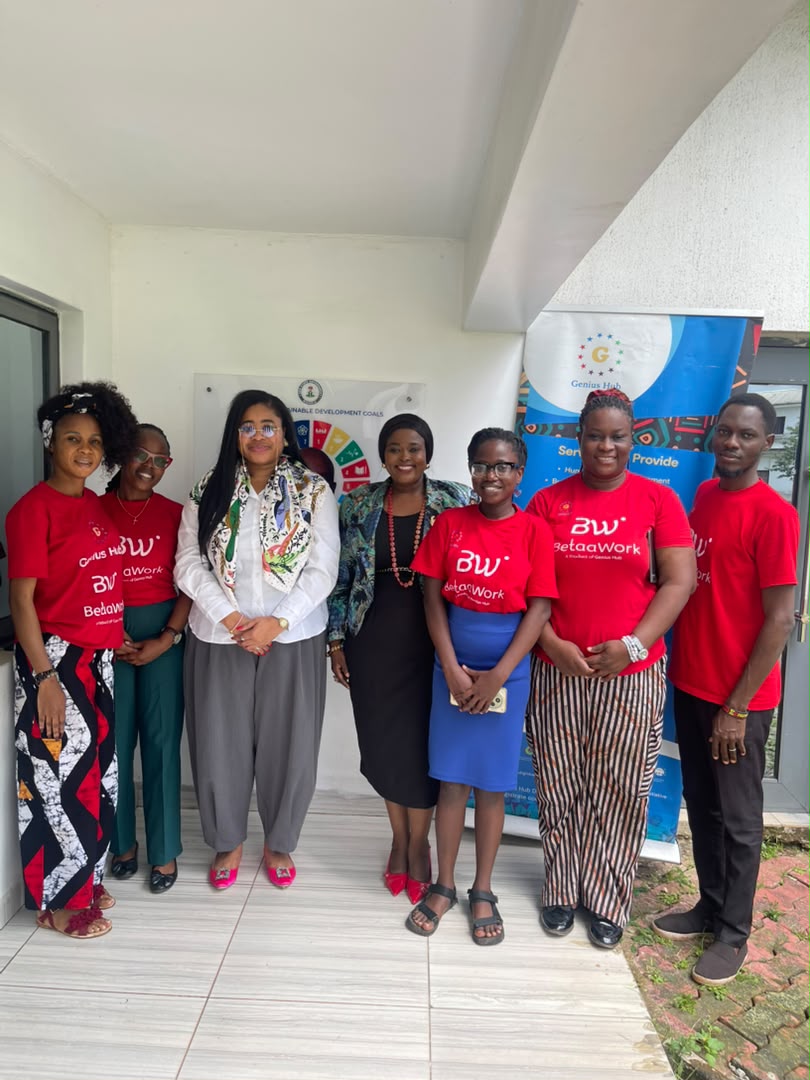
Sustainable development is rarely achieved by one organisation working alone. It requires collaboration between government, civil society, the private sector, development partners and communities to turn shared priorities into practical solutions.
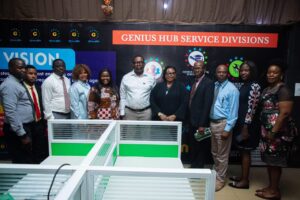
This was the focus of a recent courtesy visit by representatives of Genius Hub to the Office of the Special Adviser on Sustainable Development Goals to the Edo State Governor, Hon. Sally Suleiman.
The engagement provided an opportunity to explore areas of collaboration and discuss how collective efforts can contribute to skills development, youth empowerment, entrepreneurship and sustainable livelihoods across Edo State.
Making the SDGs Relevant to Communities
The Sustainable Development Goals provide a global framework for addressing challenges such as poverty, quality education, decent work, gender equality, innovation and sustainable economic development.
However, their impact is ultimately measured at the community level.
For a young person, sustainable development can mean gaining the skills needed to secure decent work. For an entrepreneur, it can mean access to opportunities that help a business grow. For a woman, it can mean the knowledge, resources and support needed to build a sustainable livelihood.
These everyday outcomes are what make sustainable development meaningful.
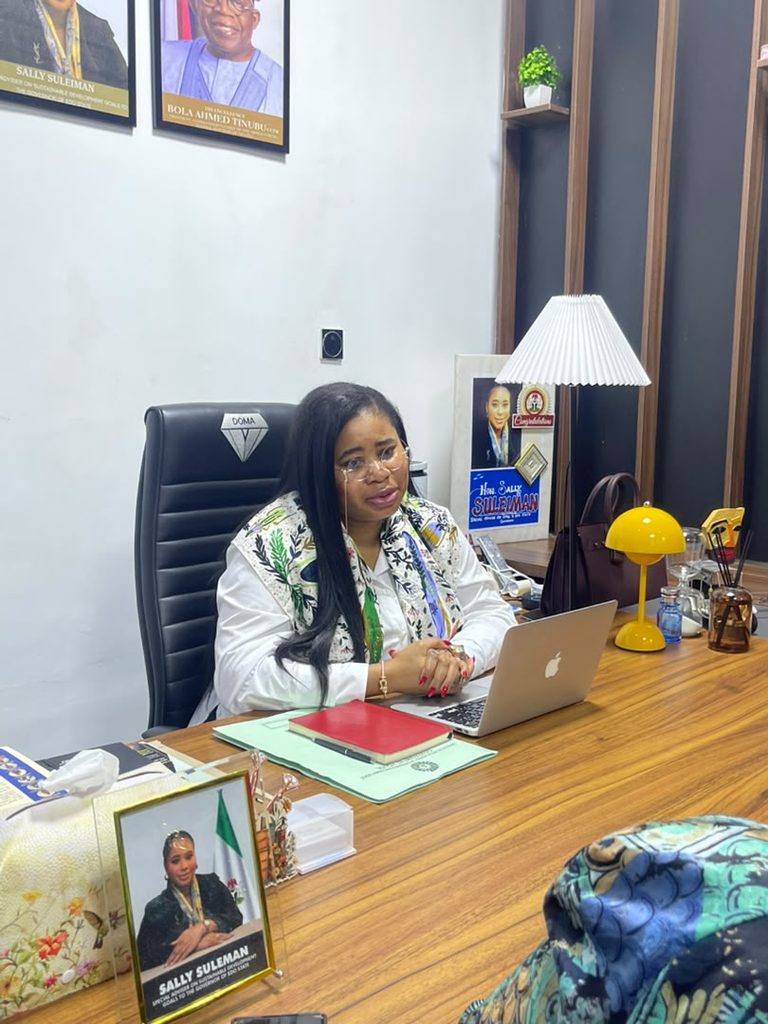
Skills as a Pathway to Opportunity
Skills development is closely connected to many of the SDGs, particularly those focused on quality education, decent work and economic growth.
Through its work in skills development, digital education, entrepreneurship and community-focused initiatives, Genius Hub Global Initiative recognises that training becomes most meaningful when people can apply what they have learned.
A digital skill can open access to new forms of work.
A vocational skill can create a pathway to self-employment.
Entrepreneurship support can help transform an idea into a viable business.
The goal is therefore not simply to train people, but to create pathways through which individuals can use their skills to participate meaningfully in the economy.
Why Partnerships Matter
Partnerships are at the heart of SDG 17: Partnerships for the Goals.
Meaningful partnerships go beyond meetings and formal agreements. They require shared objectives, trust, knowledge exchange, resources and a commitment to measurable outcomes.
Government brings policy direction, institutional reach and public-sector coordination. Civil society organisations and private-sector institutions can contribute community knowledge, technical expertise, innovation and implementation capacity.
When these strengths are brought together, development initiatives can reach more people and respond more effectively to community needs.
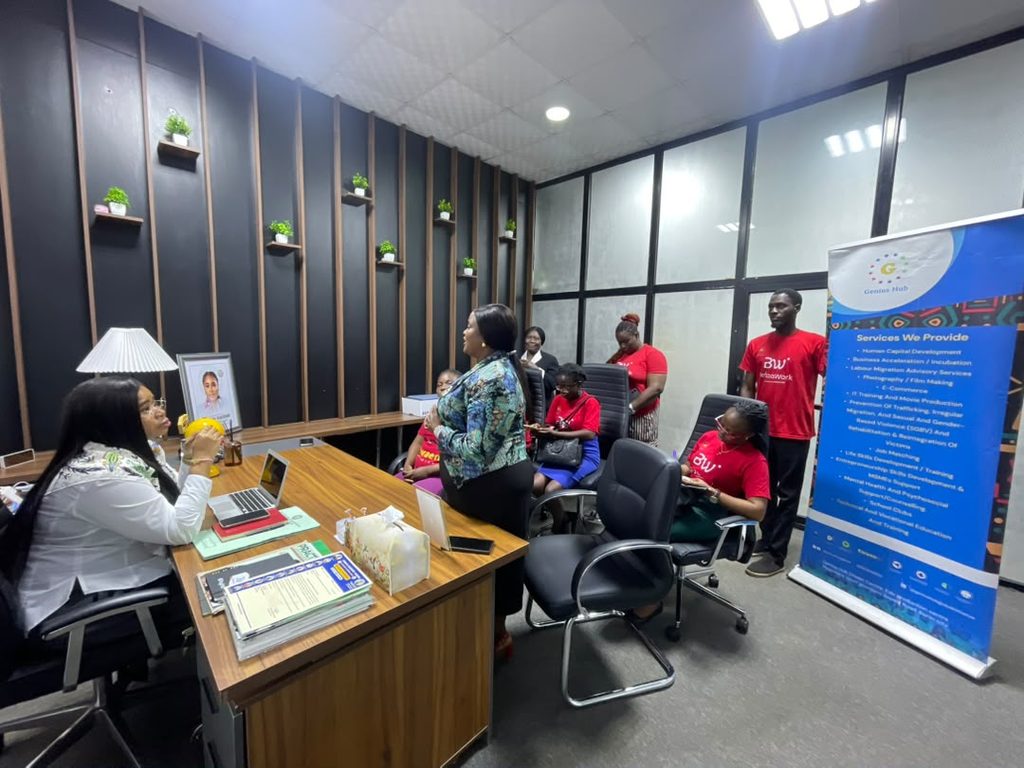
Investing in Young People
Young people remain central to the future of Edo State.
They bring creativity, innovation and entrepreneurial potential, but potential needs the right environment to grow. Young people need access to relevant skills, mentorship, networks, opportunities and platforms through which they can turn their abilities into sustainable livelihoods.
GHGI is committed to supporting pathways that enable young people to become not only beneficiaries of development initiatives, but active contributors to their communities.
An empowered young person can become a skilled professional, entrepreneur, employer, community leader or innovator. The impact can extend far beyond one individual.
Turning Conversations into Action
The engagement with the Office of the Special Adviser on SDGs was an opportunity to identify areas where shared priorities and expertise could translate into practical collaboration.
Discussions focused on areas including youth empowerment, skills development, entrepreneurship and creating opportunities that can contribute to sustainable livelihoods.
For GHGI, the next step is to move from conversation to action identifying practical initiatives, strengthening partnerships and supporting interventions that can produce measurable impact.
Because the success of sustainable development should ultimately be visible in people’s lives: in improved skills, stronger livelihoods, increased economic participation, greater resilience and expanded opportunities.
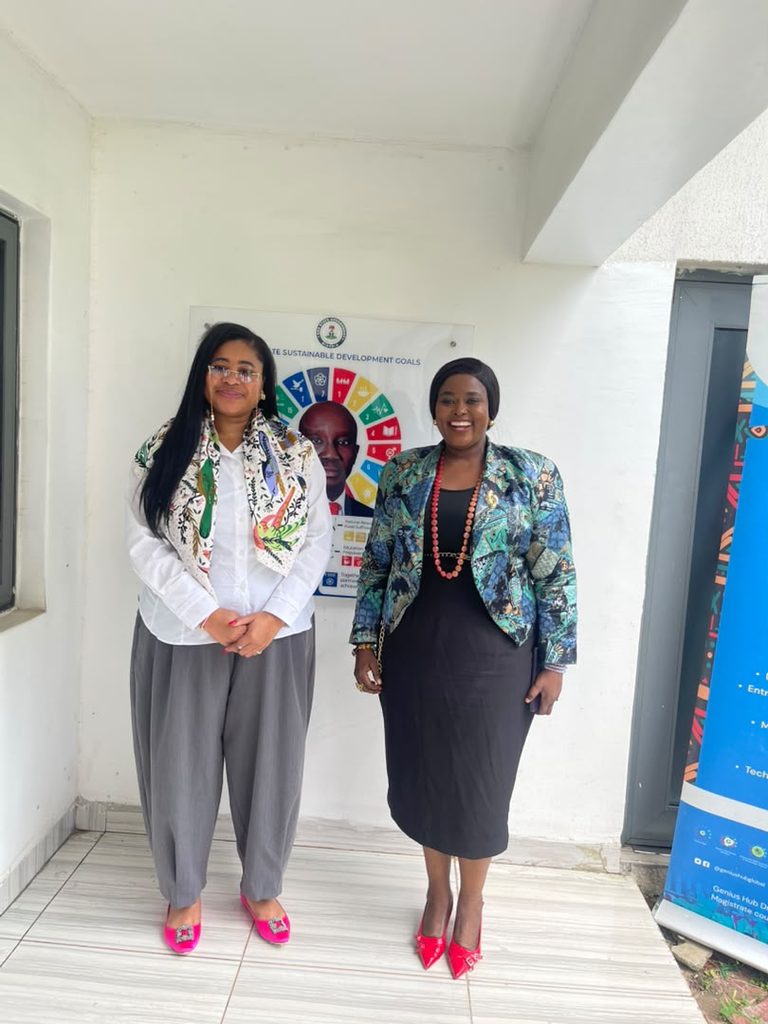
Building a More Sustainable Edo State
Sustainable development requires collective responsibility.
Government, civil society, the private sector, development partners and communities each have a role to play in creating an environment where people can learn, work, innovate and thrive.
GHGI remains committed to building partnerships that advance human development, expand opportunities and contribute to stronger and more resilient communities.
The courtesy visit to the Office of the Special Adviser on SDGs represents a step towards that shared vision.
More conversations. Stronger partnerships. Greater impact.
Because when organisations come together around a shared purpose, ideas can become action, and action can create lasting change.