Human trafficking continues to evolve, and so must the way we understand, prevent, and respond to it.
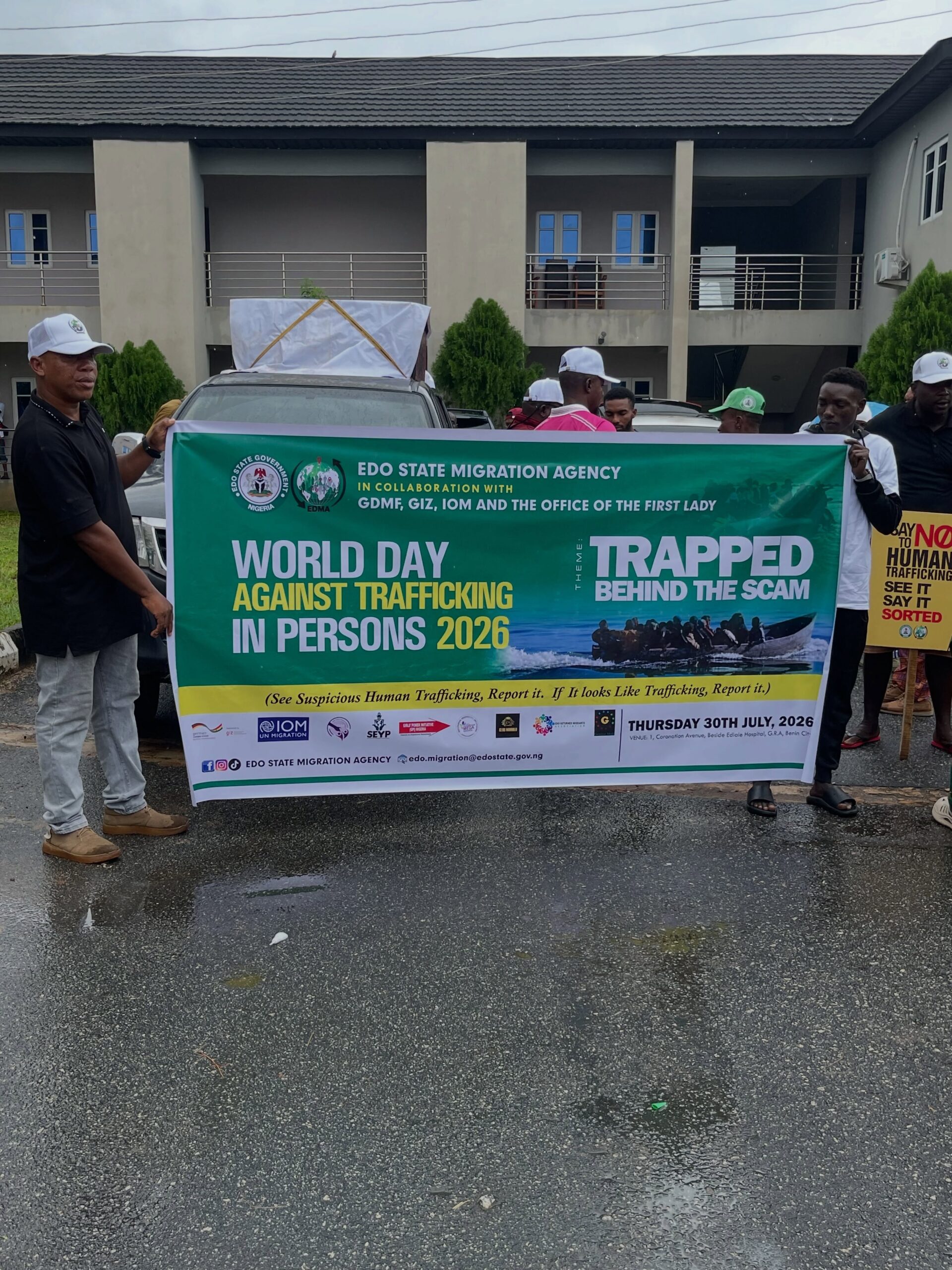
The global observance of the World Day Against Trafficking in Persons, held on 30 July 2026, provided an important opportunity to reflect on the changing nature of trafficking and the growing role of technology, deception, and fraudulent recruitment in facilitating exploitation.
Under the theme “Trapped Behind the Scam,” this year’s observance drew attention to a disturbing reality: people can be trafficked without ever being physically abducted. Increasingly, victims are deceived through seemingly legitimate employment opportunities, online recruitment, social media, and promises of a better future.
The awareness day may have passed, but the conversation cannot end with the commemoration.
Trafficking Is Changing
For many people, the traditional image of human trafficking involves kidnapping, illegal border crossings, or people being forcibly transported from one location to another.
While these forms of trafficking still exist, trafficking networks continue to adapt.
Today, a person may respond to what appears to be a legitimate job advertisement.
They may accept an offer to work abroad.
They may trust someone who promises to secure a visa or employment opportunity.
They may believe they are taking the first step towards a better life.
Instead, they can find themselves trapped in exploitative environments where their documents are confiscated, their movement is restricted, and they are subjected to forced labour, sexual exploitation, online scam operations, debt bondage, or other forms of abuse.
Human trafficking no longer exists only in places that are difficult to see.
Increasingly, it can begin with a message on a phone, an online job advertisement, a social media conversation, or an offer that appears too good to be true.
That is why our prevention strategies must evolve alongside the methods used by traffickers.
The Danger of Deceptive Recruitment
One of the greatest vulnerabilities traffickers exploit is the desire for opportunity.
Unemployment, poverty, misinformation, and limited access to decent work can make people more susceptible to seemingly attractive offers.
A promise of employment abroad.
An individual claiming to have connections that can guarantee a visa.
A recruitment agent demanding large fees upfront.
Pressure to travel immediately.
An employer unwilling to provide verifiable details about the job.
These should not simply be viewed as minor concerns.
They can be warning signs of a much more dangerous situation.
As recruitment increasingly moves online, people must develop the ability to critically assess opportunities before accepting them.
Verify the employer.
Verify the recruitment agency.
Verify the job offer.
Understand the migration process.
Ask questions before making decisions.
An opportunity should never require someone to surrender their safety in exchange for a promise.
When a Job Offer Becomes a Trap
The 2026 theme, “Trapped Behind the Scam,” also brought attention to the growing concern around individuals being recruited through fraudulent employment opportunities and subsequently forced to participate in organised online scam operations.
Some individuals travel believing they have secured legitimate employment, only to discover that they have been deceived.
Upon arrival, they may have their passports taken away, face restrictions on communication and movement, experience intimidation or violence, and become trapped in environments controlled by criminal networks.
This demonstrates how trafficking continues to take new forms.
Criminal networks are adapting to technology and global mobility.
Our response must therefore extend beyond traditional awareness campaigns.
Prevention must include digital literacy, safe migration information, ethical recruitment, skills development, economic empowerment, community awareness, and stronger protection systems.
Why This Conversation Matters to Genius Hub Global Initiative
For Genius Hub Global Initiative, human trafficking is not simply an issue discussed during an annual awareness campaign.
It is connected to the realities faced by many of the communities and individuals we engage with throughout the year.
Our work with returning migrants, vulnerable young people, women, survivors of exploitation, and underserved communities continues to reinforce the importance of prevention, protection, reintegration, and sustainable livelihoods.
Behind every trafficking statistic is a person.
A young person searching for employment.
A graduate looking for a better future.
A parent trying to provide for their family.
Someone who believes that their only path to success is outside the country.
A survivor trying to rebuild a life after exploitation.
These are not merely statistics.
They are people with aspirations, families, talents, and futures that deserve to be protected.
Safe Migration Must Remain the Goal
It is important to make one distinction clear:
Our message is not against migration.
Migration can create opportunities for education, employment, entrepreneurship, family reunification, and personal development.
The challenge is unsafe migration and deceptive recruitment practices that expose individuals to exploitation.
At Genius Hub Global Initiative, we advocate for safe, legal, informed, and skilled migration.
This means encouraging prospective migrants to:
- Verify recruitment agencies and employers.
- Confirm employment offers before travelling.
- Understand visa and immigration requirements.
- Obtain and retain the appropriate documentation
- Seek reliable information before making migration decisions.
- Be cautious of offers that promise unusually high rewards with little or no experience.
- Understand their rights and available support mechanisms.
Migration should expand opportunities, not increase vulnerability.
Skills Development as a Prevention Strategy
Preventing human trafficking also means addressing some of the vulnerabilities that traffickers exploit.
One of the most effective ways to do this is to invest in people.
Invest in skills.
Invest in livelihoods.
Invest in economic opportunities.
At Genius Hub Limited and Genius Hub Global Initiative, we recognise skills development and economic empowerment as important components of building resilience.
When young people have relevant, marketable, and certifiable skills, they have more options.
They can pursue legitimate employment.
They can build businesses.
They can work remotely.
They can access opportunities through legal migration pathways.
Most importantly, they are better positioned to make decisions based on opportunity rather than desperation.
Economic empowerment is therefore not only a development strategy.
It is also a prevention strategy.
Creating pathways to decent work can reduce the vulnerability that traffickers often exploit.
Partnership Is Essential to the Response
No single organisation can combat human trafficking alone.
Government agencies play critical roles in enforcement, investigation, prosecution, victim protection, and policy.
Civil society organisations engage communities and provide support to vulnerable populations and survivors.
Development partners strengthen systems and provide resources.
Educational institutions create awareness.
Community leaders influence attitudes and behaviour.
The media helps amplify accurate and timely information.
Private sector organisations can promote ethical recruitment and create decent work opportunities.
These efforts become stronger when they are connected.
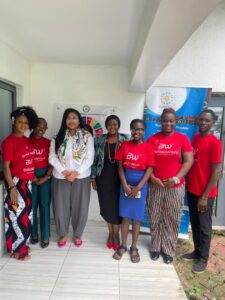
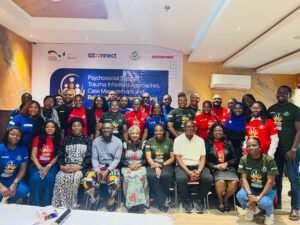
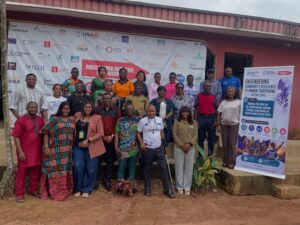
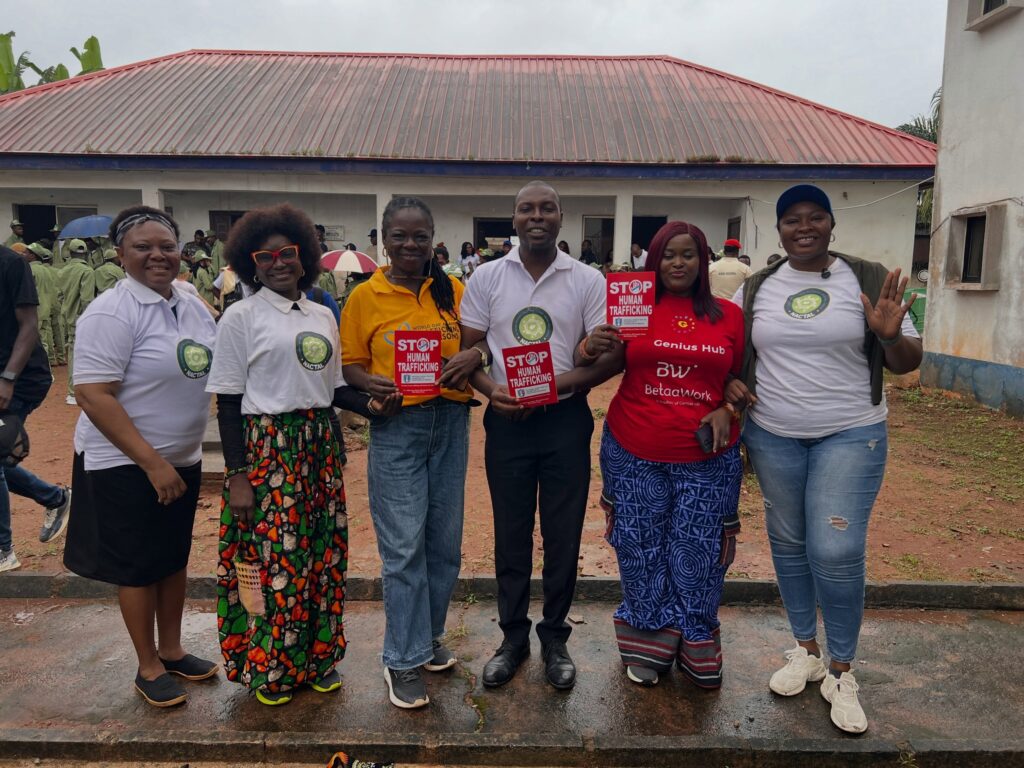
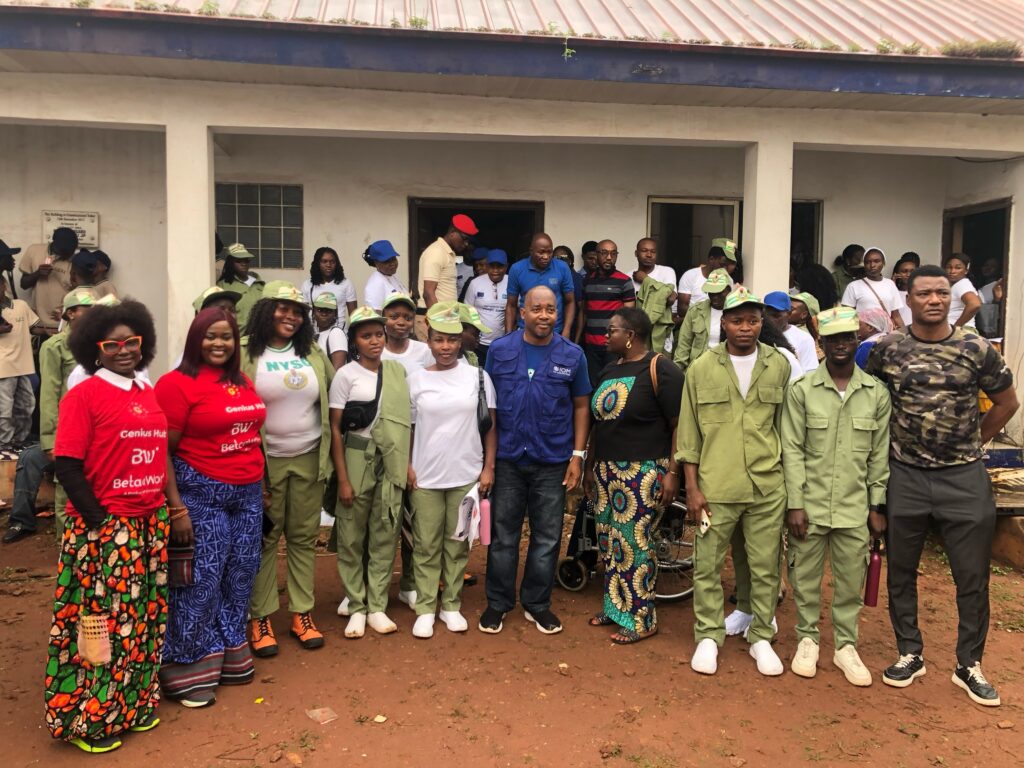
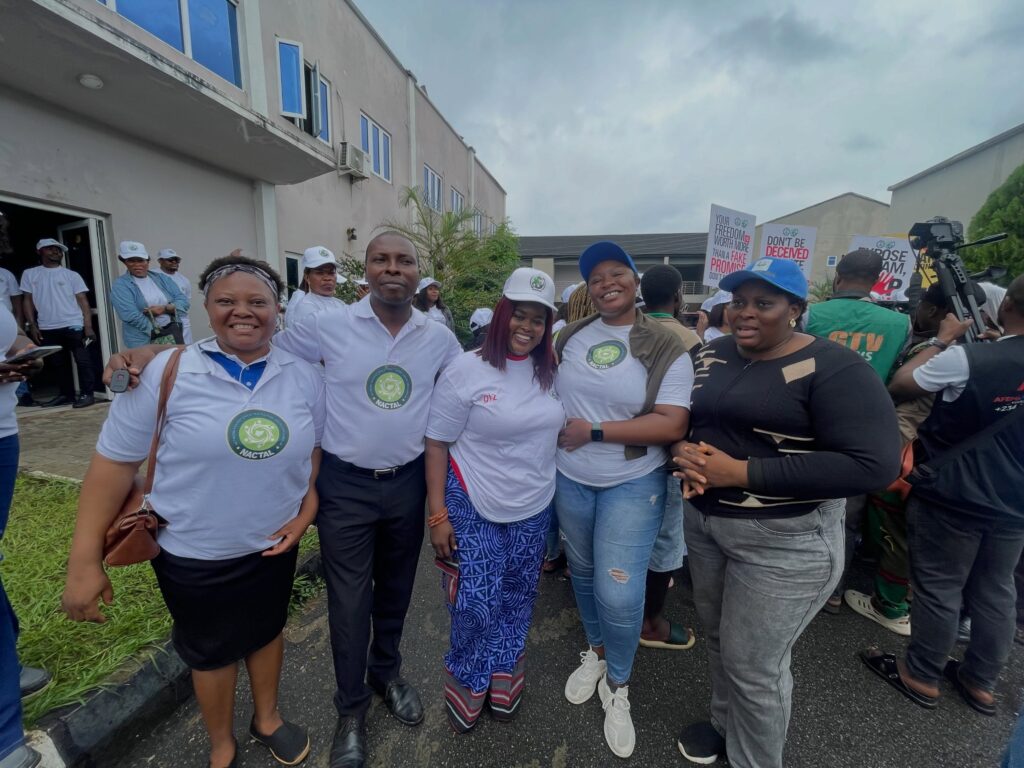
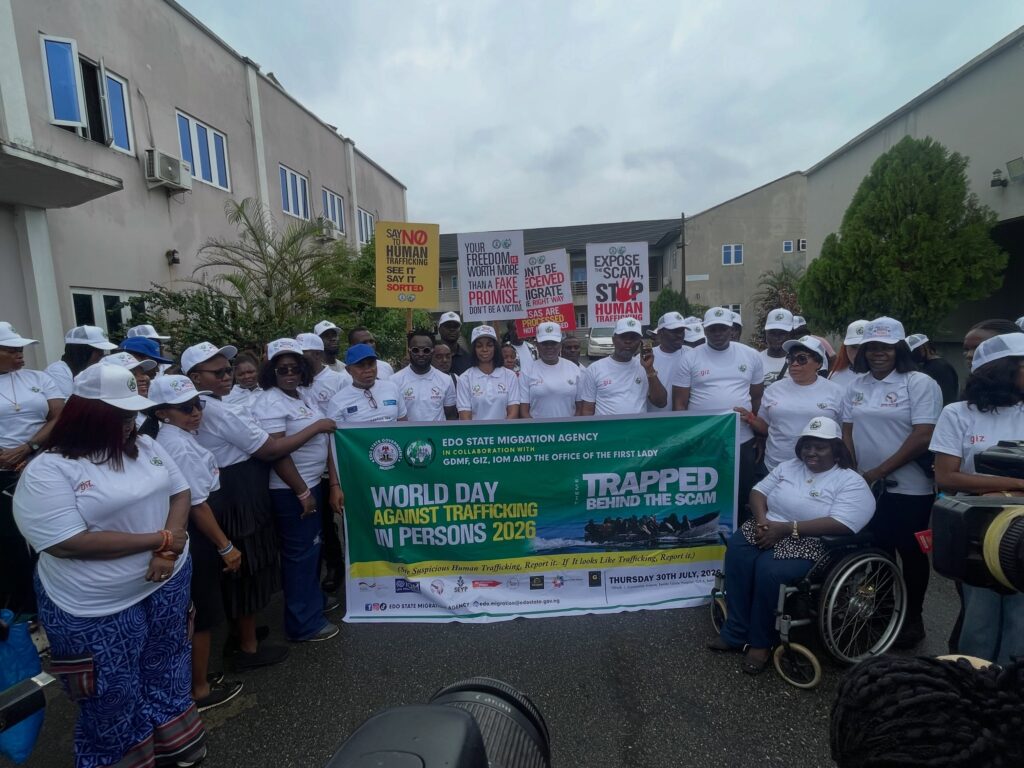
During the 2026 World Day Against Trafficking in Persons activities, Genius Hub Global Initiative had the opportunity to stand alongside the National Agency for the Prohibition of Trafficking in Persons (NAPTIP) and the Edo State Migration Agency (EDMA) during awareness activities, including a road walk and stakeholder engagements focused on trafficking, deceptive recruitment, and safe migration.
Such collaborations demonstrate the importance of collective action.
Ending human trafficking requires sustained partnerships, shared knowledge, and coordinated interventions.
Recognising Those Leading the Fight
The fight against human trafficking requires commitment across multiple levels of society.
We recognise the continued efforts of NAPTIP in public awareness, investigation, prosecution, victim protection, rehabilitation, and advocacy.
We also acknowledge the work of the Edo State Migration Agency (EDMA) in promoting safe migration awareness and helping communities understand the risks associated with irregular migration and deceptive recruitment.
Our appreciation extends to the civil society organisations, law enforcement officers, journalists, social workers, volunteers, traditional and religious leaders, educators, counsellors, and community advocates who continue to contribute to prevention, protection, survivor support, and access to justice.
Much of this work happens quietly.
Many interventions never make the headlines.
But every person protected, every survivor supported, and every potential victim equipped with the right information represents meaningful progress.
Beyond the Commemoration
World Day Against Trafficking in Persons gives the world an important moment to reflect, but the work cannot be limited to one day.
Awareness must continue.
Community conversations must continue.
Safe migration education must continue.
Skills development must continue.
Economic empowerment must continue.
Partnerships must continue.
At Genius Hub Global Initiative, we remain committed to working alongside government institutions, development partners, civil society organisations, communities, and private sector actors to reduce vulnerability and expand access to sustainable opportunities.
This commitment aligns with Sustainable Development Goal 8, particularly Target 8.7, which calls for effective measures to eradicate forced labour, end modern slavery and human trafficking, and eliminate the worst forms of child labour.
Creating pathways to decent work is not simply an economic objective.
It is also a human rights imperative.
Every skill acquired.
Every livelihood created.
Every young person empowered.
Every survivor supported.
Every community educated.
Every deceptive recruitment offer identified before it becomes a trap.
Each represents a step towards a society where exploitation has less room to thrive.
A Responsibility We All Share
Human trafficking is not only a government issue.
It is not only a law enforcement issue.
It is not only the responsibility of civil society organisations.
It is a collective responsibility.
Parents can help young people recognise deceptive opportunities.
Schools can strengthen awareness around online recruitment and migration.
Employers can promote ethical recruitment practices.
Community leaders can challenge misinformation.
Citizens can report suspicious activities.
Organisations can create pathways to decent work, skills development, and economic opportunity.
And individuals can learn to question, verify, and seek reliable information before accepting opportunities that could put them at risk.
Every conversation matters.
Every informed decision matters.
Every intervention matters.
Because behind every trafficking statistic is a human being whose future deserves to be protected.
From Awareness to Action
The 2026 World Day Against Trafficking in Persons may have been observed on 30 July, but its message remains urgent.
Human trafficking is evolving. Our response must evolve with it.
We must stay informed.
We must question suspicious opportunities.
We must verify before we trust.
We must promote safe migration.
We must invest in skills and decent work.
We must strengthen partnerships.
And we must ensure that people have access to legitimate opportunities that do not leave them vulnerable to exploitation.
Human trafficking steals freedom, dignity, and dreams.
But awareness can prevent exploitation.
Skills can create alternatives.
Economic opportunity can reduce vulnerability.
Partnerships can strengthen protection.
The work does not end when the awareness day ends.
It continues in every informed decision, every community conversation, every survivor supported, and every opportunity created without exploitation.
Together, we can build communities where people can pursue better futures safely, where migration is informed and dignified, and where opportunity is never built on exploitation.