Sustainable development requires more than identifying challenges and setting targets. It requires deliberate collaboration, effective coordination, shared responsibility and sustained commitment from the institutions and stakeholders working to create meaningful change.
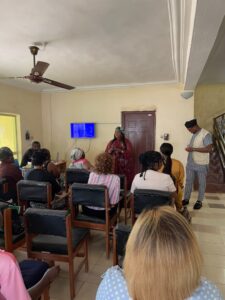
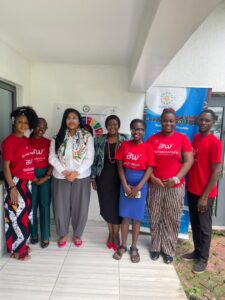
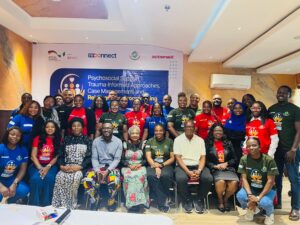
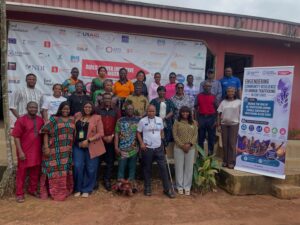
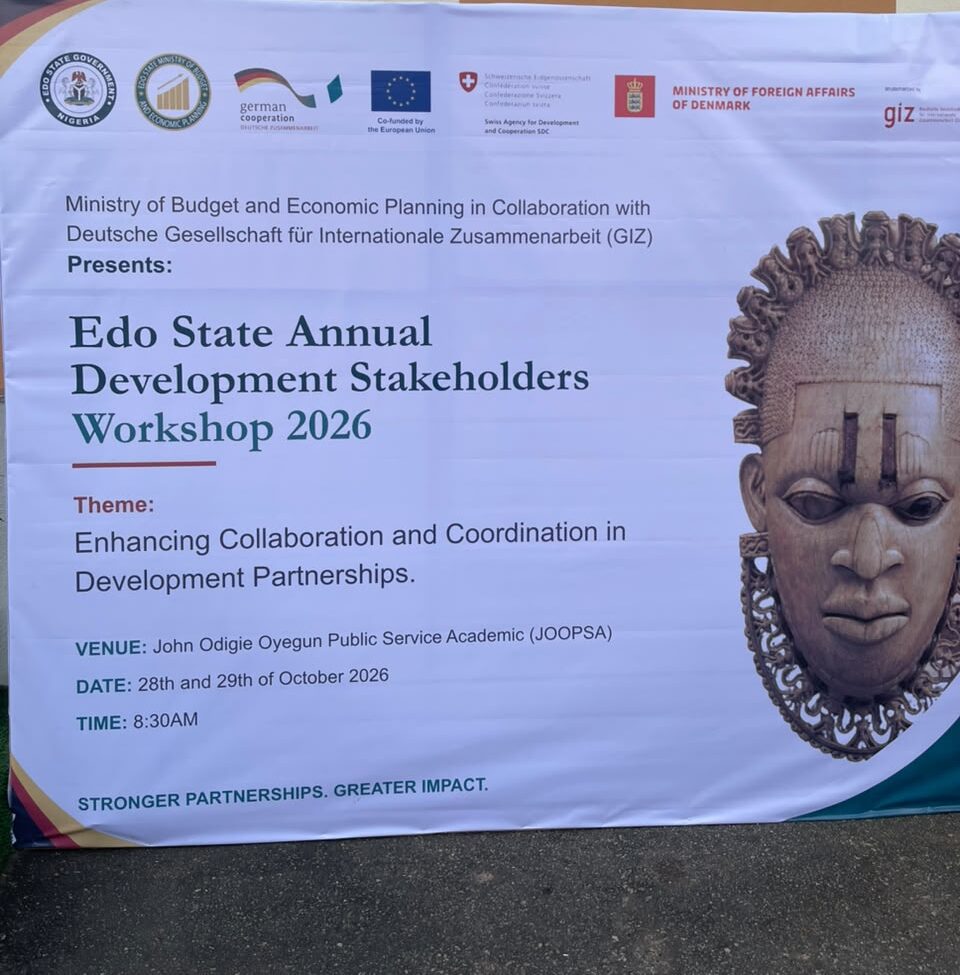
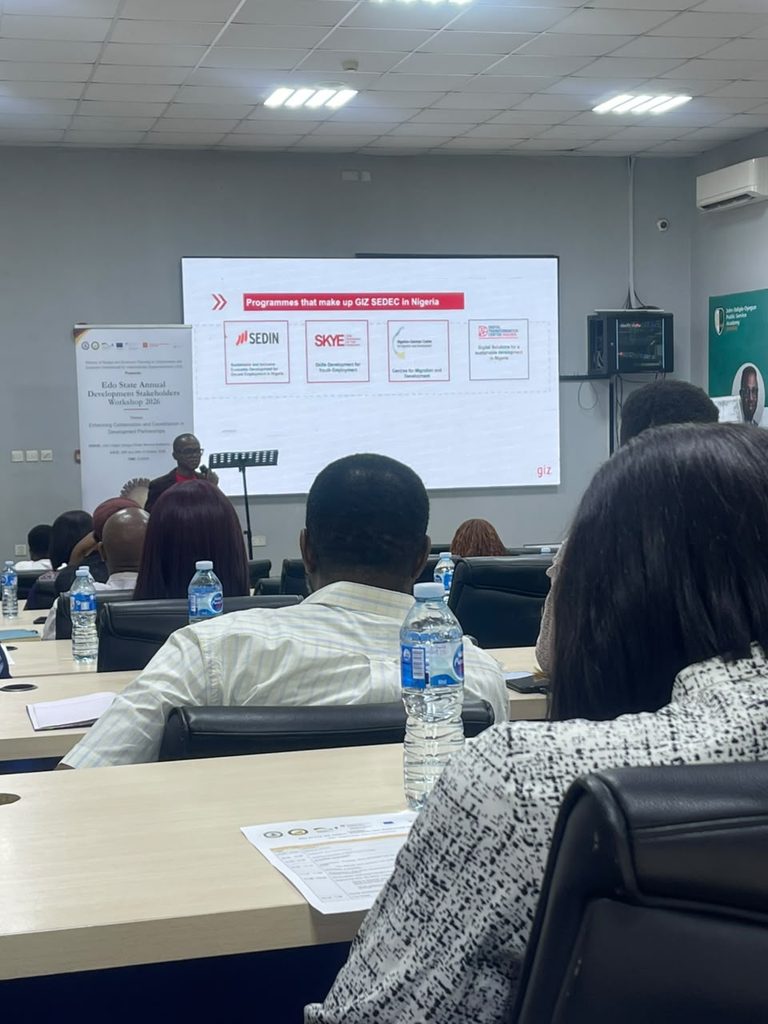
Recognising the importance of this collective approach, Genius Hub Global Initiative participated in the Edo State Annual Development Stakeholders Workshop 2026, organised as part of the GIZ SEDEC engagement. The workshop brought together development partners, government representatives and other key stakeholders to review development progress, exchange experiences and collectively shape priorities for Edo State in 2027.
The engagement provided an important platform for reflecting on ongoing development interventions, identifying implementation challenges and exploring opportunities to strengthen coordination across different sectors.
For Genius Hub Global Initiative, participation in the workshop reflects the organisation’s continued commitment to collaborative development, institutional partnerships and initiatives that contribute to improved livelihoods and sustainable community development.
Reviewing Development Progress and Emerging Priorities
A major focus of the workshop was the review of development progress in Edo State, particularly developments since 2025 and insights emerging from the 2026 mid-year review. These discussions provided an opportunity for stakeholders to assess progress made across different development interventions, reflect on implementation experiences and identify areas requiring further attention.
Beyond reviewing achievements, the sessions encouraged participants to consider the challenges affecting programme delivery, the effectiveness of existing interventions and the opportunities available to improve development outcomes.
Stakeholders also examined the development partner landscape in Edo State, highlighting the importance of understanding ongoing interventions, identifying areas of convergence and strengthening relationships among organisations working towards shared development objectives. This kind of review is important because development interventions are most effective when they are informed by evidence, responsive to emerging realities and supported by coordinated action.
As Edo State looks towards 2027, aligning development priorities with available expertise, resources and institutional capacities will remain essential to achieving meaningful results.
Strengthening Collaboration Through Technical Working Groups
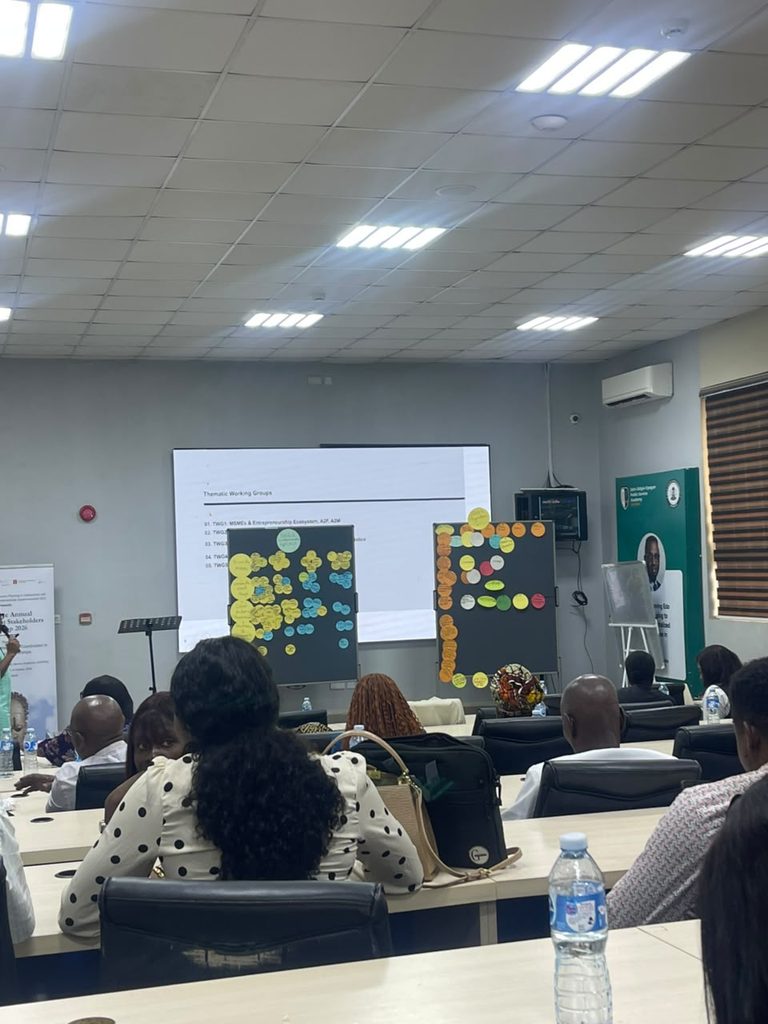
One of the key components of the workshop was the Technical Working Group (TWG) sessions, which provided stakeholders with opportunities to examine specific development sectors, identify priority areas and discuss practical approaches to addressing existing gaps.
The sessions were structured around key thematic areas relevant to Edo State’s development agenda, including:
- MSME and Entrepreneurship
Discussions focused on the importance of strengthening the business environment, supporting micro, small and medium enterprises, and creating opportunities for entrepreneurship and enterprise development.
MSMEs play an important role in economic growth, employment generation and livelihood development. Strengthening this sector requires coordinated efforts that improve access to relevant support systems, business development opportunities and an enabling environment for enterprise growth.
- Technical and Vocational Education and Training (TVET)
The TVET discussions highlighted the importance of skills development in preparing individuals for employment, entrepreneurship and changing labour market demands.
As industries and economic opportunities continue to evolve, effective technical and vocational training remains essential to building a skilled workforce. Collaboration among training institutions, government agencies, development partners and the private sector is particularly important in ensuring that training programmes respond to actual industry needs.
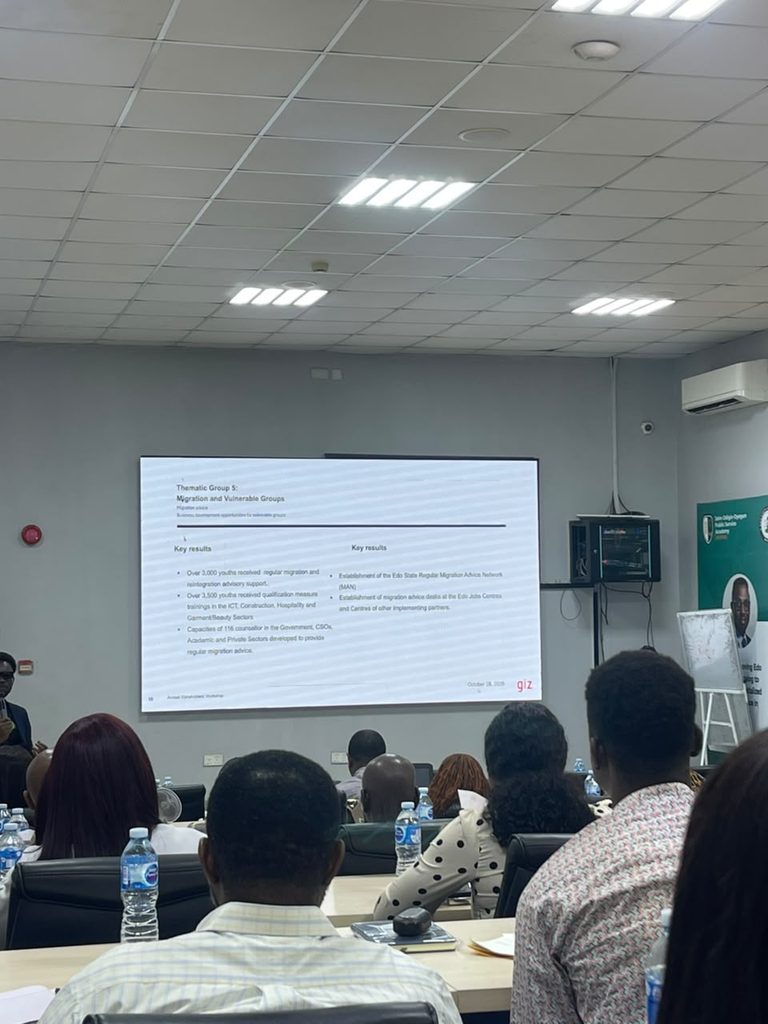
- Migration and Vulnerable Groups
Stakeholders also explored development priorities relating to migration and vulnerable populations.
This thematic area recognises the importance of coordinated interventions that address the needs of vulnerable individuals and communities, including access to protection, social support, reintegration opportunities and sustainable livelihoods.
Effective responses require collaboration among relevant institutions, development organisations and community-based actors to ensure that interventions are inclusive and responsive to the realities of the people they serve.
- Labour Market
Discussions under the labour market thematic area considered the importance of improving employment opportunities and strengthening the relationship between skills development and workforce requirements.
Addressing labour market challenges requires an understanding of existing skills gaps, employment trends and the needs of employers. Stronger coordination between training institutions, employers and relevant government agencies can help create pathways that connect individuals to meaningful employment opportunities.
- ICT Policy, Business Enabling Environment, Infrastructure and Statistics
The discussions also covered the enabling conditions required to support sustainable economic and institutional development. These areas are interconnected. Effective ICT policies can support digital transformation and innovation, while an enabling business environment creates opportunities for enterprise growth and investment.
Infrastructure remains important for improving connectivity, productivity and access to opportunities. Similarly, reliable statistics provide the evidence needed for informed planning, effective policy decisions and development monitoring.
Together, these thematic areas reflect the need for a coordinated approach to addressing Edo State’s development priorities.
From Discussions to Practical Action
Beyond identifying sectoral priorities, the Technical Working Group sessions placed emphasis on translating discussions into actionable steps.
Stakeholders examined immediate next steps, identified potential lead actors and supporting partners, and considered timelines and expected results for proposed interventions.
This was an important aspect of the workshop because effective development planning must go beyond identifying what needs to be done. It must also establish who is responsible, which institutions can provide support, when actions should be implemented and how progress will be assessed.
The workshop also featured discussions around action planning, monitoring, evaluation and follow-up mechanisms. These elements are essential to ensuring that commitments made during stakeholder engagements translate into measurable progress. Without clear responsibilities, realistic timelines and consistent monitoring, even well-intentioned development plans can struggle to achieve their intended outcomes.
Strengthening these processes can help improve accountability, reduce duplication of efforts and ensure that available resources are directed towards shared development priorities.
The Importance of Development Partnerships
A recurring message throughout the engagement was the importance of collaboration in advancing sustainable development. The challenges affecting economic growth, employment, skills development, migration management, infrastructure and social inclusion are interconnected. Addressing them effectively requires the contributions of different institutions and stakeholders.
Government institutions provide policy direction, coordination and an enabling environment for development. Development partners contribute technical expertise, resources and programme support. Civil society organisations bring community knowledge, stakeholder relationships and experience working directly with individuals and communities.
Private sector actors contribute industry perspectives, investment opportunities and practical insights into workforce and enterprise needs. When these contributions are coordinated, they create opportunities for more responsive interventions and stronger development outcomes.
For organisations such as Genius Hub Global Initiative, participating in these engagements also provides an opportunity to contribute to wider development conversations, learn from other stakeholders and strengthen relationships that can support future collaboration.
We recognise that sustainable development is a shared responsibility and that meaningful progress depends on institutions working together towards clearly defined objectives.
Looking Ahead: Working Towards Edo State’s 2027 Development Agenda
As stakeholders look towards 2027, the discussions and recommendations from the workshop provide an important foundation for continued engagement and development planning. The priorities explored across the different Technical Working Groups demonstrate the need for stronger institutional coordination, evidence-informed planning and practical approaches to implementation.
More importantly, they reinforce the importance of ensuring that development plans translate into opportunities and improved outcomes for the people and communities they are intended to serve.
Genius Hub Global Initiative remain committed to supporting collaborative approaches to development, strengthening partnerships and contributing to initiatives that promote inclusive growth, skills development, economic empowerment and community transformation.
Our participation in the Edo State Annual Development Stakeholders Workshop 2026 reflects this commitment and our recognition of the value of collective action in addressing development challenges.
As Edo State prepares for its 2027 development priorities, sustained partnerships, shared accountability and effective implementation will be essential to turning plans into progress. Because sustainable development is not achieved by working in isolation. It happens when stakeholders come together, align their efforts and take collective responsibility for building a better future.