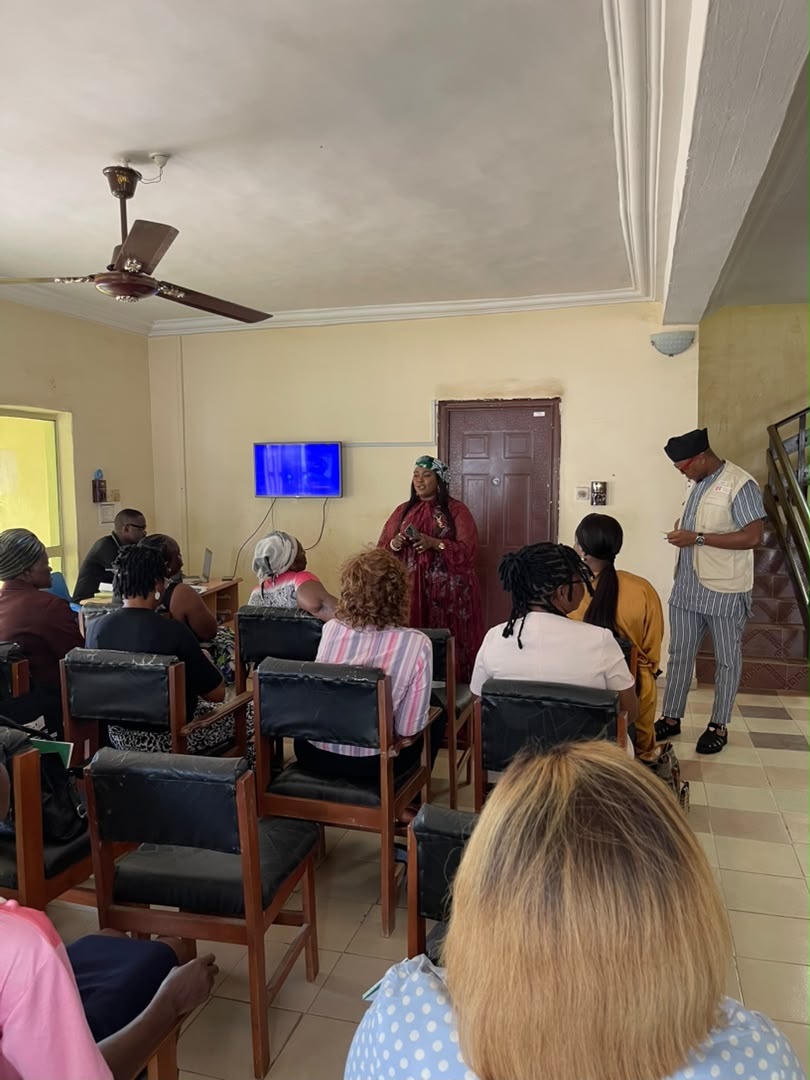
Twenty-five years of impact. Twenty-five years of working with communities. Twenty-five years of supporting returned migrants, survivors of human trafficking and vulnerable individuals as they navigate the difficult journey towards rebuilding their lives.
Some partnerships are measured by the number of years they have lasted. Others are measured by the number of lives they have helped transform. The most meaningful ones do both. The International Organization for Migration (IOM) recently celebrated its 25th anniversary in Nigeria under the theme, “Celebrating 25 Years of Partnership – A Future of Impact.” The celebration provided an opportunity to reflect on the progress made in migration management, recognise the contributions of development partners and reaffirm the importance of collective action in addressing migration-related challenges.
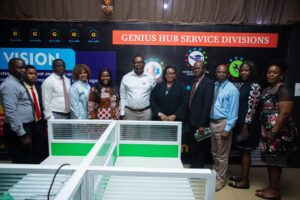
For Genius Hub Global Initiative (GHGI), the occasion was particularly significant. As an organisation committed to human development, social impact and community transformation, we recognise the importance of partnerships in creating sustainable pathways for individuals and communities. Through Genius Hub Limited, one of IOM’s implementing partners in Nigeria, we have had the opportunity to contribute to interventions that support vulnerable populations, particularly returned migrants and survivors of human trafficking.
During the anniversary celebration, a goodwill message was delivered on behalf of Genius Hub Global Initiative, highlighting our experience within the partnership and the importance of strengthening the capacity of local implementing organisations. The experience reinforced an important principle: meaningful social impact is rarely achieved by one organisation working alone. It happens when institutions, communities and development partners bring their strengths together around a shared purpose.
Twenty-Five Years of Making a Difference in Migration Management
Migration is a complex subject. Behind every migration story is a person, a family, a decision, a hope and, sometimes, a difficult experience that changes the course of someone’s life. For some, migration represents an opportunity to pursue education, employment, business and a better future. For others, the journey may involve deception, exploitation, unsafe conditions, trafficking, abuse or circumstances they never anticipated.
For individuals returning home after difficult migration experiences, the journey does not necessarily end with their return. Many require emotional support, access to healthcare, skills development, livelihood opportunities, family and community reintegration, and support systems that understand their experiences without judgement. This is why effective migration management must go beyond facilitating movement or coordinating returns. It must also consider the dignity, safety, wellbeing and long-term prospects of the people involved.
Over the past 25 years, IOM’s work in Nigeria has contributed to important aspects of migration management, including support for vulnerable migrants and efforts towards sustainable reintegration. The anniversary celebration brought together government representatives, development leaders, civil society organisations and implementing partners to recognise these contributions and reflect on the progress made through sustained collaboration.
A Partnership That Goes Beyond Implementation
One of the most valuable aspects of the partnership between IOM and its implementing organisations is the opportunity to build capacity beyond the delivery of individual projects. Civil society organisations and implementing partners are often closest to the communities they serve. They understand local realities, community dynamics, cultural considerations and the challenges beneficiaries encounter long after formal programme activities have ended. Their relationships, experience and contextual knowledge are essential to effective programme implementation.
For partnerships to achieve lasting results, local organisations must be respected, equipped and supported to strengthen their capacity. Through its engagement with Genius Hub Limited, IOM has supported capacity-building initiatives that have strengthened the organisation’s ability to deliver interventions that are more responsive to beneficiaries’ needs.
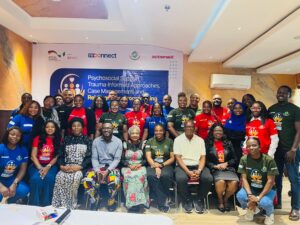
These have included training and exposure to best practices in mental health and psychosocial support (MHPSS), art-based interventions and community development approaches, alongside relevant equipment and practical support.
These investments have contributed to strengthening internal capacity, improving programme delivery and introducing approaches that continue to influence how beneficiaries are supported.
This is what meaningful partnership should look like. It should not end with an organisation receiving a project and delivering activities. It should leave that organisation stronger, more knowledgeable and better equipped to serve its community. A good partnership delivers a programme. A great partnership also builds the capacity of the people delivering it.
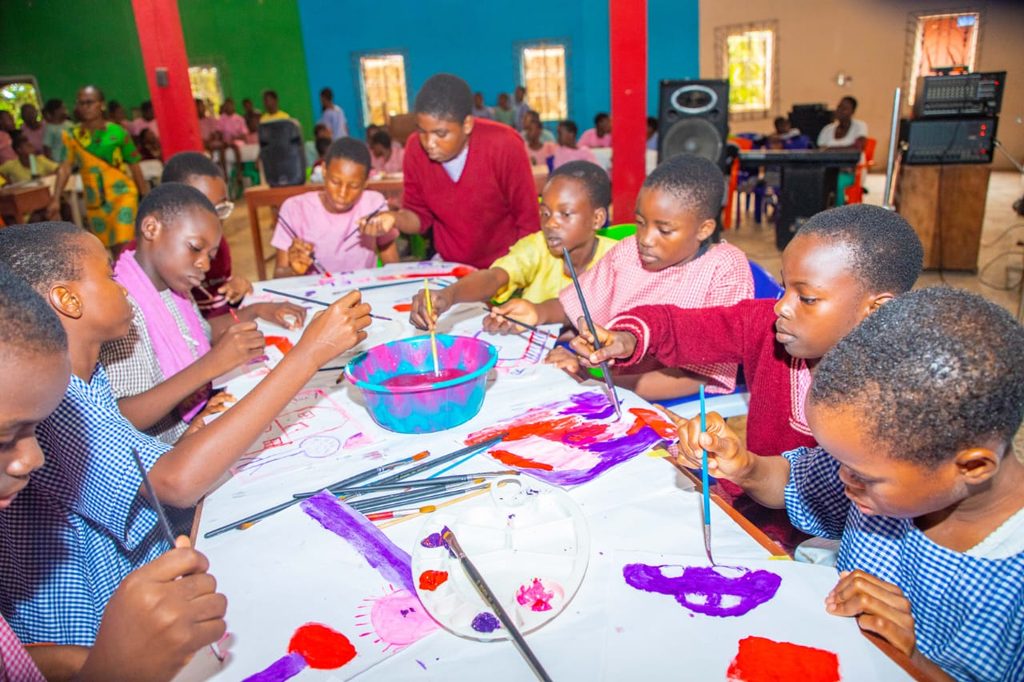
The Power of Art-Based Intervention: A Lesson That Became Part of Our Curriculum
One particularly valuable aspect of the engagement with IOM has been the introduction and integration of art-based intervention into programme activities. While psychosocial support remains essential for individuals who have experienced difficult situations, art-based approaches provide additional opportunities for expression, participation and personal development.
Some individuals have experiences they struggle to communicate verbally. Others may not immediately feel comfortable discussing their emotions, fears or personal experiences. This is particularly relevant when working with returned migrants, survivors of human trafficking and other vulnerable individuals. Through drawing, creative expression and other structured activities, participants can access alternative ways to express themselves, explore their experiences and engage with others in supportive environments.
Art-based interventions can also create opportunities for participants to develop confidence, strengthen social connections and participate in activities that support their wellbeing. While these approaches do not replace professional mental health care or specialised psychosocial support, they can serve as valuable complementary interventions when delivered thoughtfully, with attention to individual needs, safety and dignity. What makes this experience particularly significant is that the knowledge acquired did not remain confined to a single project.
The approach was incorporated into the Life Skills curriculum at Genius Hub, making it a compulsory component for participants in relevant programmes. This represents an important example of how knowledge and capacity developed through partnerships can be translated into long-term institutional practice.
At Genius Hub, we believe that when an approach improves how people are supported, there should be deliberate efforts to integrate that knowledge into wider programme delivery.
Reintegration Is More Than Returning Home
Returning home does not automatically mean that an individual has successfully reintegrated into society. For someone who has experienced exploitation, trafficking, abuse or other difficult migration-related circumstances, returning to their community may bring relief, but it can also introduce new challenges. These may include emotional distress, financial difficulties, strained family relationships, stigma, uncertainty about the future and the pressure to rebuild their lives.
Some individuals return without the resources or opportunities they need to become economically independent. Others may struggle with how their communities perceive them. This is why reintegration must be approached holistically, with attention to the different dimensions of an individual’s life.
Psychosocial reintegration: Providing access to appropriate support as individuals navigate their experiences and work towards improved wellbeing.
Social reintegration: Supporting healthy relationships, community acceptance, social connections and a renewed sense of belonging.
Economic reintegration: Creating pathways to relevant skills development, livelihood opportunities, employment and financial independence.
Personal development: Helping individuals rebuild confidence, recognise their abilities and make informed decisions about their future.
At Genius Hub Global Initiative, these realities shape our understanding of sustainable social impact. We believe that people should not be permanently defined by the difficult experiences they have survived. They deserve opportunities to rebuild, develop their capabilities and participate meaningfully in society.
Achieving this requires more than a one-time intervention. It requires continuity, collaboration and support systems that recognise and respond to the needs of the whole person.
Connecting Social Impact with Skills and Economic Empowerment
Social impact and economic empowerment should not be treated as separate conversations. For many vulnerable individuals, access to relevant skills and livelihood opportunities can be an important part of rebuilding their lives.
Beyond psychosocial support, important questions must be considered: Can individuals acquire practical skills? Can they access opportunities to earn an income? Can they become financially independent? Can they establish businesses or secure employment? Can they participate meaningfully in their communities without being defined by their previous circumstances? These questions are central to the connection between reintegration and sustainable development.
Through its work in technical and vocational education and training (TVET), digital skills development, life skills and entrepreneurship, Genius Hub provides practical pathways that connect people to opportunities for personal and economic advancement.
For returning migrants and survivors of human trafficking, skills development can contribute to a wider reintegration process when it aligns with their individual circumstances, interests and aspirations.
However, effective support must recognise that individuals have different needs and may require different pathways. Some may wish to return to formal education, while others may prefer vocational training, entrepreneurship or employment. Some may first require specialised support before they are ready to participate in a training programme.
The priority must be to understand individual needs, respect personal choices and create opportunities that contribute to long-term wellbeing. This is how interventions can move beyond immediate assistance towards helping individuals rebuild meaningful and sustainable lives.
A Gathering of Stakeholders Working Towards a Better Future
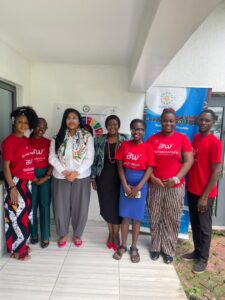
The IOM Nigeria 25th anniversary celebration brought together important government and development stakeholders committed to advancing migration management and supporting vulnerable populations.
The First Lady of Edo State, Edesili Okpebholo Anani, delivered the keynote address. Two commissioners from the Edo State Government also addressed the gathering, while representatives of the National Agency for the Prohibition of Trafficking in Persons (NAPTIP) and the World Health Organization (WHO) shared remarks.
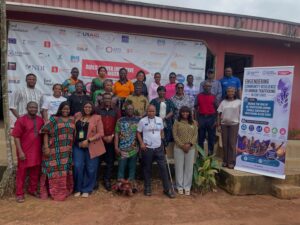
The gathering highlighted the importance of coordinated action among government institutions, development organisations, civil society groups and implementing partners. It also provided an opportunity for stakeholders to reconnect, exchange experiences and strengthen relationships across the development community.
Among those present were Mr Roland Nwoha of IRARA, Barrister Sam Offiah of NAPTIP Nigeria, Mrs Esohe Oyemwense, Sister Florence of Full Life, Mrs Esosa Osula of Edo State ACJMC, Osayuwamen Aladeselu and Mr Elijah of the Edo State Skills Development Agency (EDOJOBS), among others.
These relationships are important because behind every successful intervention are people and institutions that continue to share knowledge, provide support and work towards practical solutions, often in challenging circumstances.
Stronger communities require collective effort, sustained engagement and partnerships that bring different areas of expertise together.
Appreciating Leadership That Understands Partnership
Genius Hub Global Initiative appreciates Aigbeze Uhimwen, Head of Office, Benin, for leading the IOM team with dedication and commitment.
Leadership plays an important role in determining how partnerships function. It influences whether organisations feel included, whether knowledge is shared, whether local expertise is valued and whether collaboration produces results beyond immediate project activities.
We are grateful for the opportunities this partnership has created for our organisation to learn, strengthen its capacity and improve its approach to supporting beneficiaries.
To the entire IOM Nigeria team, we extend our appreciation for your continued dedication and for recognising the value of working alongside organisations committed to serving communities.
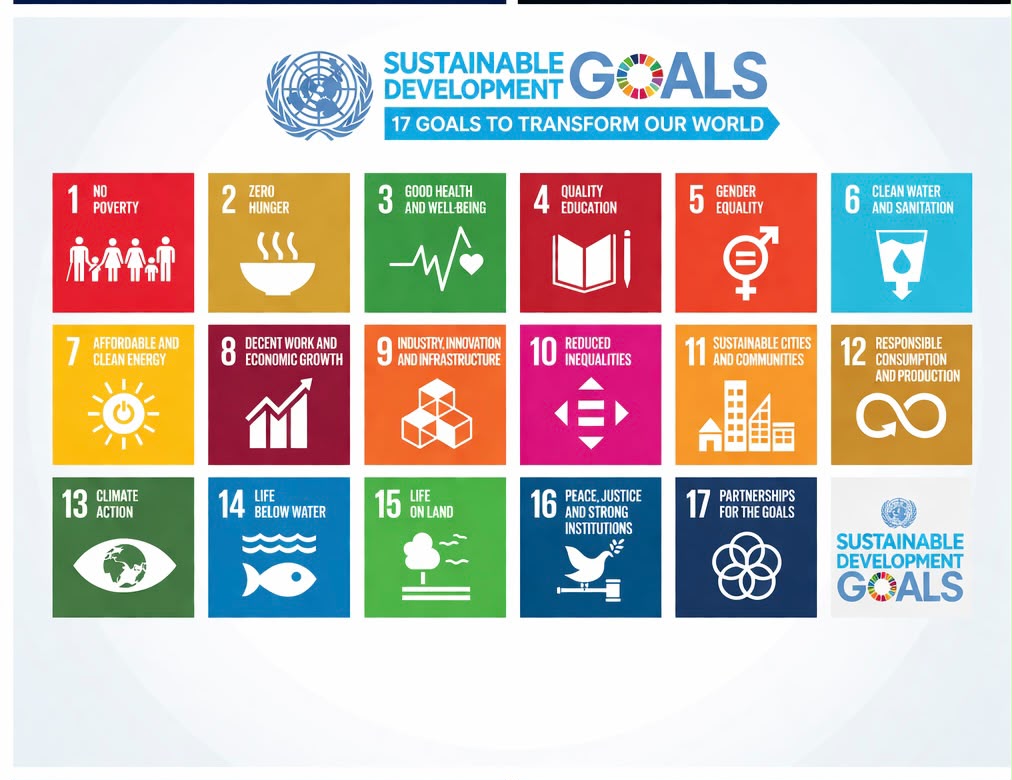
SDG 17: The Power of Building Together
The 25th anniversary celebration is also a practical reflection of Sustainable Development Goal 17: Partnerships for the Goals. The challenges surrounding migration, human trafficking, vulnerability and reintegration are too complex for any single institution to address independently.
Governments have responsibilities around policy, protection, coordination and enforcement. Development organisations bring technical expertise, resources and programme support. Civil society organisations contribute community knowledge, relationships and direct engagement with vulnerable populations.
Skills development institutions help connect people to education, livelihoods and economic opportunities. When these strengths are brought together, they create a more comprehensive response to complex social challenges.
Furthermore, when partnerships invest in the institutional capacity of their implementing organisations, the impact can extend beyond the duration of individual projects. This is the kind of collaboration that sustainable development requires: shared ownership, stronger institutions, improved service delivery and interventions that make a meaningful difference in people’s lives.
Twenty-Five Years of Partnership, and More Work Ahead
The real measure of impact is not simply how many years an organisation has existed or how many events it has organised. It is the difference its work has made in the lives of people and communities.
It is the individual who receives support when they need it most.
It is the survivor who finds the courage and resources to rebuild.
It is the returning migrant who gains access to a new livelihood opportunity.
It is the community that becomes better equipped to prevent exploitation and support vulnerable people.
It is also the local organisation that becomes stronger because a development partner invested in its people, knowledge and capacity.
Genius Hub Global Initiative is proud to be part of this journey through its institutional relationship with Genius Hub Limited, an implementing partner of IOM in Nigeria.
We remain grateful for the knowledge gained, the capacity strengthened and the opportunity to contribute to interventions that have a direct human impact.
To IOM Nigeria, congratulations on 25 years of partnership and impact.
May the years ahead bring even stronger collaboration, more responsive interventions and greater opportunities for the individuals and communities who need them.
Ultimately, the purpose of this work goes beyond implementing projects. It is about helping people move forward with dignity, rebuild their lives and access opportunities that allow them to thrive.
Twenty-five years of partnership is worth celebrating. But the lives we continue to change are the reason the work must go on.